Best Time to Climb Mount Toubkal: Month-by-Month Guide
A local guide to the best time to climb Mount Toubkal — month by month weather, snow, temperatures, trail conditions and what to expect in every season on Morocco's highest mountain at 4,167 metres.
Mount Toubkal stands at 4,167 metres — the highest mountain in Morocco and in North Africa. It is climbed throughout much of the year, but the experience changes significantly with the seasons. The mountain I walk in July is not the same mountain I walk in January, and treating them as the same trip is one of the most common mistakes trekkers make.
There is no single perfect month for everyone. The best time to climb Mount Toubkal depends on what you are looking for: dry summer trails, cooler walking temperatures, fewer hikers on the route, or the snow and silence of a winter ascent. This guide is written from direct experience guiding on this mountain, not from generic travel writing, and it describes general patterns rather than predicting the weather for any specific date.
Throughout, keep one thing in mind: conditions on Toubkal can vary considerably with altitude and weather, and the current state of the mountain matters more than the calendar. Always check conditions close to your date.
What Is the Best Time to Climb Mount Toubkal?
For many trekkers, late spring, summer and early autumn offer the most straightforward non-winter trekking conditions. May, June, September and October are the months I most often recommend to people who want a reliable summit without the complications of snow and ice. July and August are also popular and perfectly climbable, though the valley is hot and the trails are at their busiest.
Winter — December through February, and often into March — is a substantially different mountain experience. It involves snow and ice, different equipment, and different skills. It is not simply a colder, harder version of the summer trek; it is a different kind of undertaking altogether.
I will not promise fixed weather. The mountain does not work that way. What follows is an honest picture of what each season and month typically brings, so you can choose the period that best fits your goals and experience.
Mount Toubkal Weather and Conditions by Season
Spring (March–May)
Transition season. Snow often still covers the upper mountain early on, then retreats. Cooler temperatures, greener valleys, quieter trails, and variable mountain weather.
Summer (June–August)
Generally the most accessible period. Dry trails, long daylight, and a summit that stays cool even when Imlil is hot. Requires early starts, strong sun protection, and good hydration.
Autumn (September–November)
Often pleasant and stable early on, with cooler walking temperatures. Weather becomes more changeable later in the season and early snow can return to the higher ground.
Winter (December–February)
A substantially different undertaking. Snow and ice, crampons and ice axe when conditions require them, short daylight, and far more demanding conditions. Not a harder summer walk — a different kind of mountain.
Spring — March to May
Spring is a transition season on Toubkal. Early in the period, snow often still covers the upper mountain and the summit slopes; as the weeks pass, it retreats, though it can linger at higher elevations well into May in some years. Temperatures are cooler than summer, which many trekkers welcome, and the valleys are greener as the snow melts and the water flows.
Daylight increases through the season, and the trails are generally quieter than in July and August. The trade-off is that mountain weather in spring is variable: a clear, warm morning can give way to cold wind or afternoon cloud, and conditions higher up can remain wintry even when the valley feels like spring.
Summer — June to August
Summer is generally the most accessible period for the summit. The trails are usually dry, the days are long, and the upper mountain is free of snow in most years. The catch is the heat: Imlil and the lower valleys can be very hot, which is why early starts are essential. Most of the climbing is done in the cool of the morning.
The summit itself remains much cooler because of the altitude — a reminder that 4,167 m is high enough to escape the valley heat. The strong sun and the need for serious hydration are the main considerations. Summer is a popular trekking period, so expect more company on the trail, and be aware that afternoon weather changes can still occur even in the most stable season.

Autumn — September to November
Early autumn often offers some of the most pleasant trekking conditions of the year. The fierce heat of summer has passed, walking temperatures are comfortable, and the air tends to be clear. September and October are favoured months for many experienced trekkers.
As the season moves into November, the weather becomes more changeable, daylight shortens, and the first snow can return to the higher ground. It is a beautiful time on the mountain, but one that calls for attention to conditions rather than assumptions.
Winter — December to February
Winter on Toubkal is a different mountain. Snow and ice settle on the upper slopes and often on the approach trails, temperatures drop well below freezing at altitude, and daylight is short. Crampons and an ice axe become necessary when conditions require them, along with proper winter clothing and the skills to use the equipment.
This is a more demanding, more committing experience, and it should not be treated like the normal summer trek. Winter Toubkal rewards experienced, well-equipped mountaineers with extraordinary solitude and scenery, but it is not the right choice for someone simply looking for a quieter version of the summer walk. We will cover winter ascents in detail in a separate dedicated article on climbing Mount Toubkal in winter.

Mount Toubkal Month-by-Month
The notes below describe typical patterns, not guarantees. Snow, temperature and conditions can vary considerably from year to year and with altitude. Any temperature impression is approximate and changes sharply as you climb.
| Month | Typical feel |
|---|---|
| January | Cold; well below freezing on the summit |
| February | Cold; freezing or below at altitude |
| March | Cool; warming through the month |
| April | Cool to mild |
| May | Mild in the valley, cool at altitude |
| June | Warm in the valley, pleasant at altitude |
| July | Hot in the valley, comfortable at altitude |
| August | Hot in the valley, comfortable at altitude |
| September | Cooling; pleasant walking temperatures |
| October | Cool; crisp mornings and evenings |
| November | Cold, especially at altitude |
| December | Cold; freezing at altitude |
January — Deep winter. Snow and ice are likely on the upper mountain, temperatures are well below freezing at altitude, and the trails are very quiet. Suitable only for experienced, properly equipped mountaineers with a qualified guide.
February — Often the snowiest month. Short daylight and demanding conditions make this a serious winter undertaking, not a trek. The solitude is real, but so is the commitment.
March — A transition month. Snow may still cover the upper slopes, but conditions begin to shift and the valley warms. Quieter than the summer months and workable for trekkers comfortable with variable conditions.
April — Snow usually retreats through the month, though it can linger higher up. Temperatures are cool to mild, the landscape is green, and crowds begin to build. A good month for prepared trekkers who check conditions first.
May — One of the more popular and reliable months. Snow may still sit on the summit in places, but the approach is generally clear. Mild in the valley, cool at altitude, and a strong choice for non-winter trekking.
June — Warm and dry, with the summit usually free of snow. A strong choice for trekkers who want straightforward conditions before the busiest part of summer. Pleasant at altitude, hot in the valley.
July — Popular and accessible, with dry trails and long daylight. The valley is hot, so early starts are essential. Expect more company on the route and plan for strong sun and hydration.
August — The busiest month on Toubkal. Conditions are generally dry and the summit is comfortable, but the heat in Imlil and the crowds on the trail make dawn departures and patience essential.
September — A favoured month for many experienced trekkers. The heat eases, walking temperatures become pleasant, and the air is clear. Early snow is possible at altitude late in the month but uncommon.
October — One of the best months for many people. Cool, crisp mornings and evenings, generally stable conditions, and fewer hikers than summer. Possible snow at altitude later in the month.
November — A quiet shoulder-season month. Temperatures drop, especially at altitude, and the first lasting snow may arrive. Workable for trekkers who check conditions and are prepared for cold.
December — Winter returns. Snow becomes likely at altitude, daylight is short, and the mountain becomes a serious undertaking again. Suitable for experienced winter mountaineers only.
Best Months for First-Time Toubkal Climbers
For a first ascent, the easiest periods are usually May, June, September and October, when conditions are typically dry and the temperatures are manageable. These months give the best chance of a straightforward, non-technical summit day.
Two cautions matter here. First, reasonable fitness is still required regardless of the month — Toubkal is a long, sustained ascent at real altitude. Second, the altitude itself remains significant in every season. An "easy" season does not mean an easy mountain; it simply means the conditions are less likely to add difficulty on top of the physical challenge.
For a fuller assessment of what the climb demands, our article on whether Toubkal is difficult covers fitness, altitude and who the trek suits.
Best Time to Avoid Crowds on Mount Toubkal
The busiest months are July and August, when the refuge and the summit ridge can feel crowded. The shoulder months — March, April, October and November — tend to be much quieter while still offering workable conditions for many trekkers.
The important point is not to choose an unsafe period simply to avoid people. Winter is very quiet, but it is quiet because the conditions are demanding and the mountain is serious. Solitude is a benefit, never a reason to take on conditions you are not equipped for.
When Is There Snow on Mount Toubkal?
Snow on Toubkal varies from year to year. The most reliable snow covers the mountain from December through February, but the higher elevations can retain snow well beyond winter — sometimes into March, April or even May. Fresh snow can also fall outside the expected calendar, particularly in spring and late autumn.
What this means in practice is that the calendar is a guide, not a guarantee. The current, local conditions on the mountain matter more than the month. Before committing to a date — especially in the shoulder seasons — check with a local guide who has eyes on the trail.
Can You Climb Mount Toubkal in Winter?
Yes — winter ascent is possible, but it is materially different from the normal trek. Snow and ice, crampons and ice axe, cold temperatures and short daylight turn the mountain into a mountaineering undertaking. It is a rewarding experience for the right people with the right equipment and a qualified guide, and the case for local guidance is far stronger in winter than in summer — see our article on whether you need a guide for Mount Toubkal for more on that. We will cover winter ascents in detail in a separate dedicated article on climbing Mount Toubkal in winter.
What Should You Pack for Each Season?
Equipment depends heavily on the season. Summer calls for sun protection, hydration and light layers for the valley with warm clothing for the summit and the refuge night. Shoulder seasons add insulation and waterproofs. Winter is a different kit list entirely — crampons, ice axe, serious winter clothing and the skills to use them.
Rather than duplicate the full list here, our complete guide on what to pack for the Toubkal trek covers gear for every season, including winter equipment.
How Long Does the Toubkal Trek Take?
The classic trek is normally done over two days, with an overnight at the refuge. Some trekkers add a third day for a more relaxed pace or better acclimatisation. The choice does not change much with the season, though winter conditions can slow every stage. For the detail, our article comparing the Mount Toubkal trek in two or three days goes into that decision.
Mount Toubkal Route from Imlil
The standard route follows a clear line: Imlil → Aroumd → Sidi Chamharouch → Toubkal Refuge → Mount Toubkal summit. The character of the trail changes with the seasons — dry and straightforward in summer, snow-covered and technical in winter — but the route itself remains the same.
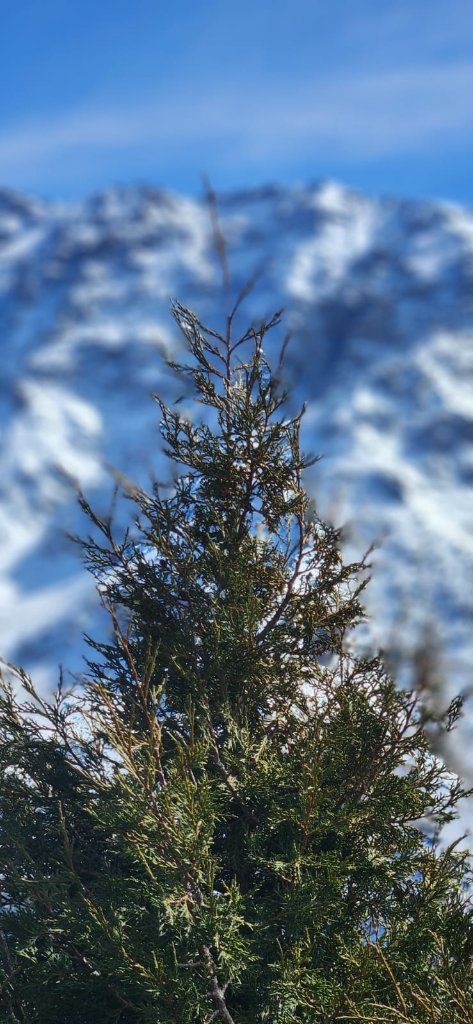
For the full route guide — stages, altitudes, timings and difficulty — see our article on the Mount Toubkal trek from Imlil. The lower part of the approach is also covered in our guide to the Sidi Chamharouch hike from Imlil.
Getting to Imlil from Marrakech
Most trekkers start their journey in Marrakech and travel to Imlil, the trailhead. Rather than repeat the transport details here, our guide on getting from Marrakech to Imlil covers distance, travel time, taxis, private transfers and the route via Asni.
Plan Your Mount Toubkal Trek with a Local Guide
Morocco Elite Guide is based locally in Imlil, and we arrange guided Mount Toubkal trekking adapted to the season, the current conditions and your group's fitness and experience. A licensed local guide handles navigation, refuge logistics, pacing for the altitude, and the judgement calls that make the difference between a safe summit day and a difficult one — whatever the month.
Frequently Asked Questions
What is the best month to climb Mount Toubkal?
For most trekkers, May, June, September and October offer the most reliable non-winter conditions — cooler than midsummer, generally drier than spring, and free of the snow and ice of winter. July and August are also popular, though the valley is hot and trails are busiest. The right month depends on whether you prioritise dry trails, cooler air, or fewer people.
Can you climb Mount Toubkal all year?
The mountain is climbed in most months, but conditions change dramatically. Summer and early autumn are normal trekking; winter is a mountaineering undertaking with snow, ice and technical equipment. Year-round ascent is possible for appropriately equipped and experienced groups, but it is not a single consistent experience across the calendar.
When does Mount Toubkal have snow?
Snow is most reliable from December through February, but it can persist at altitude well into spring and fresh snow can fall outside the core winter months. The summit and upper slopes can hold snow in March, April or even May in some years. Always check conditions close to your date rather than relying on the calendar alone.
Is Mount Toubkal too hot in summer?
The summit stays cool even in July and August because of the altitude. The heat is felt in Imlil and the lower valleys, which is why early-morning starts are essential. With a pre-dawn departure and enough water, summer is one of the most accessible periods for the summit.
Can beginners climb Mount Toubkal?
A reasonably active person who walks regularly can often manage the trek in good non-winter conditions, but it is not a gentle first hike. Reasonable fitness, altitude tolerance and the right season all matter. Winter is not suitable for beginners.
Is Mount Toubkal difficult in winter?
Yes — winter Toubkal is a materially different challenge. Snow and ice, crampons and ice axe, short daylight and cold temperatures make it a mountaineering undertaking rather than a trek. It should only be attempted with the right equipment, experience and a qualified guide.
What is the quietest time to climb Mount Toubkal?
The shoulder months — March, April, October and November — tend to be quieter than the July–August peak. Winter is very quiet but should not be chosen simply to avoid crowds, as the conditions are far more demanding. Never trade safety for solitude.
Does the weather change quickly on Mount Toubkal?
Yes. At 4,167 m the weather can deteriorate rapidly, even on a day that starts clear. Afternoon changes are common in summer, and conditions at the summit can be very different from the valley below. A local guide reads the mountain on the day and adapts the plan accordingly.
Related guides:
- → Mount Toubkal Trek from Imlil
- → Is Toubkal Difficult?
- → Mount Toubkal Trek: 2 Days or 3 Days
- → What to Pack for the Toubkal Trek
- → Sidi Chamharouch Hike from Imlil
- → Marrakech to Imlil: Distance, Transport & How to Get There
- → Best Time to Visit the Atlas Mountains
- → 3-Day Mount Toubkal Trek from Marrakech
- → Explore all Atlas Mountains tours